PlayStation's Cross-Play Evolution: From Resistance to Reality in 2025
Sony's approach to cross-platform multiplayer has undergone a dramatic transformation since the days when PlayStation stood as the last major holdout against connecting players across different consoles. Today in 2025, cross-play has become standard across most major multiplayer titles on PlayStation, though the journey to this point reveals much about the economics and politics of modern gaming.

The Current State of PlayStation Cross-Play
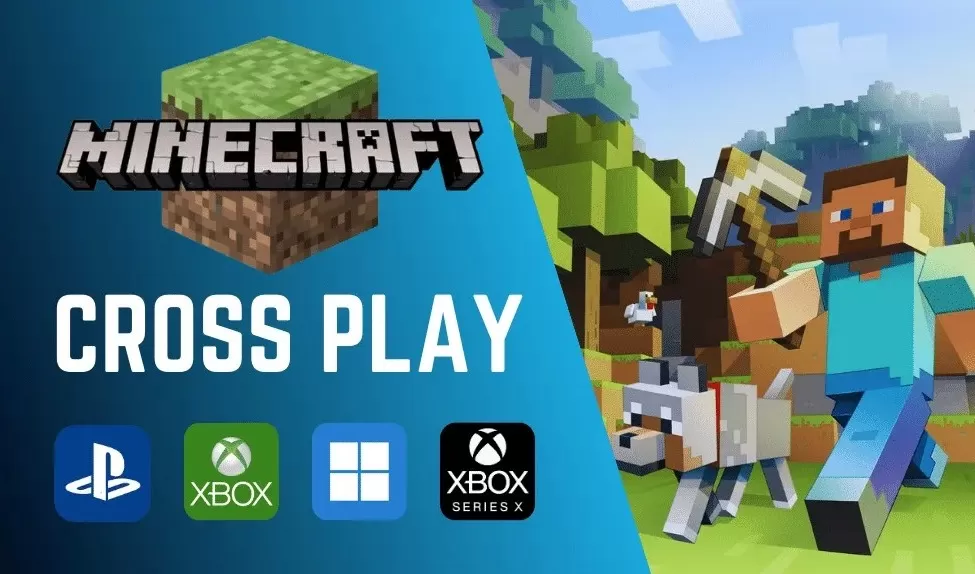
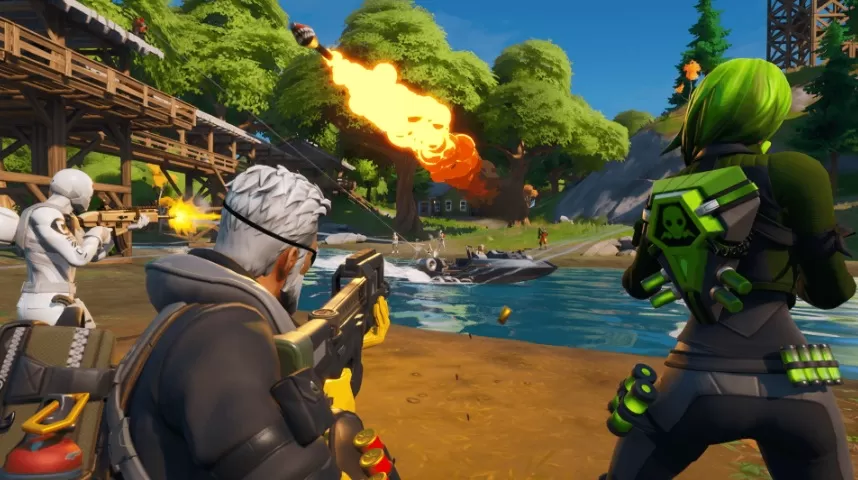
As of 2025, PlayStation supports cross-play for hundreds of games, with major titles like Fortnite, Call of Duty, Minecraft, Rocket League, Apex Legends, and Marvel Rivals all featuring seamless cross-platform functionality. The list continues to expand monthly, with upcoming releases increasingly launching with cross-play as a standard feature rather than an afterthought.
Recent developments show Sony becoming more flexible with its policies. In early 2025, the company made PlayStation Network accounts optional for several PC ports of single-player games, including Marvel's Spider-Man 2, God of War Ragnarök, and Horizon Zero Dawn Remastered, responding to community feedback about unnecessary account requirements.
Why Sony Initially Resisted Cross-Play
During the PlayStation 4 generation, Sony held a commanding market lead with over 117 million units sold. From a business perspective, the company saw little incentive to share its massive player base with competitors. The reasoning was straightforward: exclusivity sold consoles, and keeping multiplayer ecosystems separate was part of that strategy.
Former PlayStation executives have since acknowledged that the resistance was primarily about protecting revenue streams. When you're winning the console war, why help your competitors by letting their smaller player bases access your larger one?
The Economics Behind the Change
The Revenue Sharing Model
Court documents from the Epic vs. Apple trial revealed Sony's unique approach to cross-play economics. The company implemented a "cross-platform revenue share" system that requires publishers to pay royalties when PlayStation players represent a disproportionate share of the player base compared to PlayStation's revenue contribution.
Here's how it works: If 85% of a game's players are on PlayStation but only 70% of the game's revenue comes from PlayStation, the publisher owes Sony compensation for the difference. This ensures Sony gets paid proportionally to the infrastructure costs of supporting those players.
The Business Case for Cross-Play
Despite initial resistance, several factors pushed Sony toward embracing cross-play:
- Player Retention: Cross-play significantly increases player engagement and reduces churn rates, leading to higher long-term monetization through microtransactions and DLC
- Developer Pressure: Major publishers began prioritizing cross-play as a requirement for their biggest titles
- Community Backlash: The Fortnite controversy in 2018 created significant negative PR when PlayStation accounts couldn't play with other platforms
- Market Evolution: As gaming shifts toward service-based models, maintaining large, unified player pools became more important than hardware exclusivity
The Fortnite Turning Point
The watershed moment came in 2018 with Fortnite's explosive popularity. When Sony initially blocked cross-play between PlayStation and other consoles, the backlash was immediate and fierce. Players discovered their Epic accounts were locked to PlayStation, preventing them from playing on Switch or Xbox even with different accounts.
After months of pressure from players, content creators, and Epic Games itself, Sony relented in September 2018, calling it "a major policy change." This opened the floodgates for other titles to follow suit.
The Minecraft Saga: A Case Study in Delayed Cross-Play
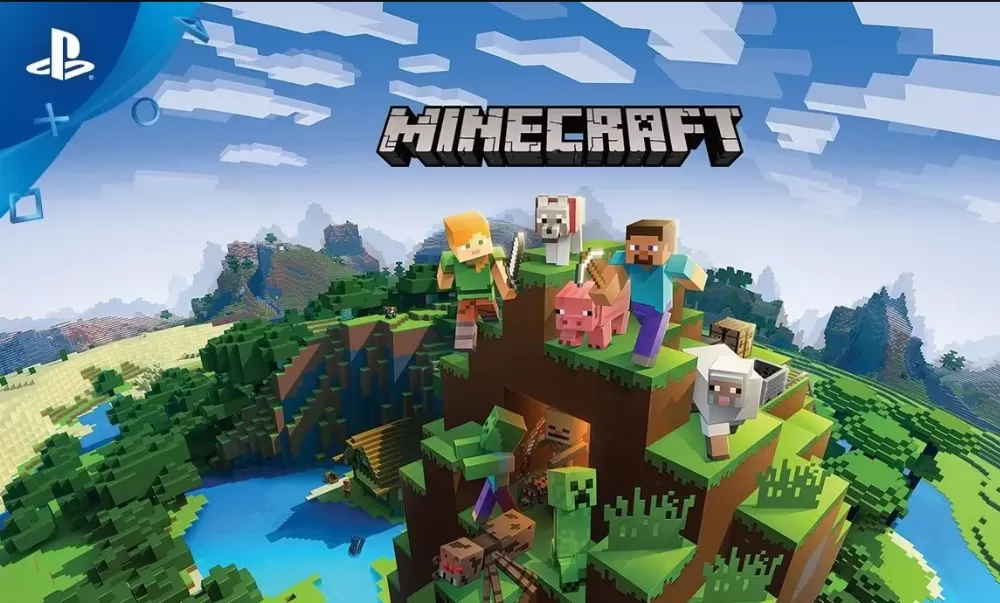
Perhaps no game better illustrates Sony's resistance to cross-play than Minecraft. While Microsoft announced cross-play between Xbox, Nintendo Switch, Windows 10, and mobile platforms in 2017, PlayStation remained conspicuously absent from the "Better Together" update. For over two years, PlayStation users were isolated from the broader Minecraft community, unable to join friends on other platforms despite the technical capability being readily available.
The situation was particularly frustrating given Minecraft's family-friendly nature and massive player base. Microsoft repeatedly expressed willingness to include PlayStation, stating they would "love to bring players on PlayStation 4 into our Minecraft ecosystem" but had "nothing further to share" due to Sony's policies. The delay wasn't technical—developers had everything ready to enable cross-play within hours of approval.
Finally, in December 2019, Sony relented and Minecraft Bedrock Edition arrived on PlayStation 4 with full cross-play support. The irony wasn't lost on players: they needed to sign into a Microsoft Account (Xbox Live) on their PlayStation to play one of the world's most popular games with friends on other platforms. This capitulation marked a significant symbolic victory for cross-play advocates and demonstrated that even Sony couldn't indefinitely resist the pressure when it came to gaming's second best-selling title of all time.
Current Cross-Play Implementation
How It Works
PlayStation's cross-play system typically requires:
- Linking to a publisher account (Epic Games, Activision, EA, etc.)
- Opting into cross-play in game settings
- Using in-game friend systems rather than PlayStation's native friends list
Popular Cross-Play Titles on PlayStation (2025)
- Fortnite
- Call of Duty: Modern Warfare III and Warzone
- Minecraft
- Rocket League
- Apex Legends
- Dead by Daylight
- Overwatch 2
- Marvel Rivals
- Diablo 4
- Helldivers 2
- Monster Hunter Wilds
- Path of Exile 2
- Baldur's Gate 3
- Genshin Impact
- Final Fantasy XIV
And hundreds more, with new titles added regularly.
Notable Exceptions and Ongoing Issues
The Borderlands 3 Saga
One of the most publicized cross-play controversies involved Borderlands 3. Initially, the game supported cross-play between PC, Xbox, and Stadia, but PlayStation was excluded. Gearbox's Randy Pitchford publicly stated that publisher 2K Games was "required to remove crossplay support for PlayStation consoles" for certification.
This standoff lasted until June 2022, when PlayStation cross-play was finally added. The delay highlighted ongoing tensions between Sony's revenue requirements and publishers' willingness to pay for cross-play access.
Technical vs. Business Barriers
Industry developers consistently note that enabling cross-play is technically straightforward. The primary obstacles remain business and policy related. Sony's Shuhei Yoshida acknowledged this, stating that connecting closed systems involves more policy considerations than technical challenges.
The Future of PlayStation Cross-Play
Looking ahead, several trends are emerging:
Expanded Support
Sony executives have stated they "support and encourage cross-play," with the number of supported games continuing to grow. This represents a complete reversal from their position just seven years ago.
Industry Standard
Cross-play is increasingly becoming an expected feature rather than a bonus. New multiplayer games launching without cross-play face criticism and potentially smaller player bases.
Unified Gaming Experiences
The industry is moving toward platform-agnostic gaming, where your choice of hardware doesn't limit who you can play with. This shift benefits players and can actually help console manufacturers by reducing the friction of platform choice.
What This Means for Players
For PlayStation owners in 2025, the cross-play landscape is vastly improved:
- Larger Player Pools: Faster matchmaking and healthier game communities
- Play with Friends: Platform choice no longer separates gaming groups
- Longer Game Lifespans: Unified player bases keep games alive longer
- Better Competition: Access to the entire player base improves skill-based matchmaking
The Business Reality
While Sony's embrace of cross-play appears player-friendly, it's ultimately a business decision. The revenue-sharing model ensures PlayStation still profits from cross-play, potentially earning more than they would from a closed ecosystem. Publishers seem willing to pay these fees for access to PlayStation's massive install base, creating a win-win situation.
The evolution from "PlayStation has no interest in cross-play" to "we support and encourage cross-play" demonstrates how market pressures and player demands can reshape even the most entrenched corporate positions.
Conclusion
PlayStation's journey from cross-play holdout to advocate represents one of the gaming industry's most significant policy shifts. While initially driven by a desire to protect market dominance, Sony has adapted to a gaming landscape where service-based models and player retention matter more than hardware lock-in.
The company's revenue-sharing approach to cross-play may seem mercenary, but it's enabled widespread adoption while ensuring PlayStation remains profitable. As we move through 2025, cross-play on PlayStation is no longer a question of "if" but "when" for new multiplayer titles.
For players, this transformation means the console wars matter less than ever for multiplayer gaming. You can choose your platform based on exclusive single-player titles, hardware preferences, or ecosystem features, knowing that you'll still be able to play the biggest multiplayer games with friends regardless of their choice.
The walls between gaming platforms continue to crumble, and PlayStation's evolution on cross-play shows that even the most resistant companies can change when the market demands it. The future of gaming is increasingly platform-agnostic, and PlayStation has finally, fully, joined that future.
